Tirzepatide (GLP-2): Understanding the Peptide, Metabolic Research and Weight Management
Introduction to Tirzepatide
Tirzepatide has become an important subject in metabolic research, diabetes care, and weight-management discussions. As a dual glucose-dependent insulinotropic polypeptide (GIP) and glucagon-like peptide-1 (GLP-1) receptor agonist, it acts on two hormone-receptor pathways involved in glucose regulation, appetite, and energy balance.
People searching for Tirzepatide (GLP-2) may be looking for information about its biological activity, pharmaceutical formulations, weight-management applications, research background, or product availability. However, it is important to clarify the terminology: tirzepatide acts on GIP and GLP-1 receptors—not GLP-2 receptors. GLP-2 is a separate gastrointestinal hormone with different biological functions.
Tirzepatide is the active ingredient in prescription medicines including Mounjaro and Zepbound in the United States. Their approved indications differ, so readers should consult the product information applicable to their country and intended medical use.
This guide explains tirzepatide’s mechanism of action, clinical applications, safety considerations, product-quality questions, and the differences between approved medicines and unapproved research materials.
What Is Tirzepatide?
Tirzepatide is a synthetic peptide-based medicine designed to activate two receptors involved in metabolic regulation:
- GIP receptor: Associated with glucose-dependent insulin secretion and other metabolic responses.
- GLP-1 receptor: Associated with glucose regulation, appetite signaling, and gastrointestinal activity.
By targeting both pathways, tirzepatide offers a different pharmacological approach from medicines that activate only the GLP-1 receptor.
Its clinical effects have been evaluated in studies involving adults with type 2 diabetes and adults with obesity or overweight who meet relevant treatment criteria. The findings support specific approved medical uses, but they should not be interpreted as evidence that every product marketed under the name tirzepatide has equivalent quality, safety, or effectiveness.
For anyone researching tirzepatide, the distinction between the active pharmaceutical ingredient, an approved prescription product, a compounded medicine, and a product sold as a laboratory research material is essential.
Tirzepatide and GLP-2: Understanding the Difference
The phrase “Tirzepatide (GLP-2)” is sometimes used in online searches, but it is not the correct pharmacological classification.
Tirzepatide is a GIP and GLP-1 receptor agonist. GLP-2, or glucagon-like peptide-2, is a different hormone associated with intestinal function and intestinal mucosal growth.
These terms should not be used interchangeably in product descriptions, educational content, or scientific documentation.
For website owners, this distinction offers an opportunity to create accurate content that addresses search intent without misleading visitors. A page can target the keyword “Tirzepatide (GLP-2)” while explaining the correct mechanism in its opening section, title context, and FAQ.
Accurate terminology also helps readers distinguish tirzepatide from other incretin-based medicines and from research compounds that have not been approved for human use.
How Does Tirzepatide Work?
Tirzepatide activates GIP and GLP-1 receptors, which participate in the body’s response to food and its regulation of blood glucose.
Its pharmacological effects include glucose-dependent stimulation of insulin secretion, reduced glucagon secretion under relevant conditions, and effects on appetite and food intake. It also delays gastric emptying, particularly during initial treatment.
These combined actions can improve blood-glucose control in appropriate patients and support weight reduction when used for an approved indication alongside the recommended lifestyle measures.
However, tirzepatide is not a substitute for individualized medical assessment. Its suitability depends on factors such as a person’s medical history, current medicines, treatment goals, contraindications, and the applicable product label.
Approved Medical Applications of Tirzepatide
Tirzepatide is used in prescription medicines for specific indications. In the United States, Mounjaro is indicated to improve blood-sugar control in adults with type 2 diabetes, alongside diet and exercise. Zepbound is indicated with a reduced-calorie diet and increased physical activity for long-term weight reduction in eligible adults with obesity or overweight accompanied by at least one weight-related condition. Zepbound also has an indication for moderate-to-severe obstructive sleep apnea in adults with obesity.
These indications should be described precisely in commercial and educational content. Approval for one condition does not automatically mean that every tirzepatide product is approved for all the same uses.
Tirzepatide should not be marketed as a guaranteed weight-loss solution, nor should a website promise a particular amount of weight reduction. Individual outcomes vary, and treatment requires appropriate clinical supervision.
Tirzepatide and Weight Management
Weight management is a major reason people search for tirzepatide online. Its effects on appetite-related signaling, food intake, and gastric emptying contribute to its role in approved weight-management treatment.
Clinical outcomes depend on multiple factors, including the treatment regimen prescribed by a healthcare professional, adherence, nutrition, physical activity, other medical conditions, and individual response.
A responsible educational article should explain that tirzepatide is a prescription medicine rather than an ordinary dietary supplement. Visitors should be encouraged to discuss potential benefits, risks, and alternatives with a qualified healthcare professional.
Claims such as “instant fat loss,” “guaranteed results,” or “no side effects” are misleading and should not appear in trustworthy product content.
Tirzepatide Dosage and Prescription Information
Tirzepatide dosage is determined according to the approved product information and an individual patient’s medical circumstances. Prescription formulations have specific starting doses, escalation schedules, maintenance options, and maximum doses.
Readers should follow the instructions provided by their prescriber and the official product label rather than relying on online seller descriptions, social-media advice, or generalized dosing charts.
Products sold in different concentrations or vial formats may introduce additional risks if their instructions are unclear. The U.S. Food and Drug Administration has reported dosing errors involving compounded GLP-1 medicines, including tirzepatide, with some cases requiring medical attention or hospitalization.
For this reason, a website should not encourage readers to self-prescribe, calculate injection doses from unverified product listings, or alter a prescribed regimen without medical guidance.
Safety, Side Effects and Precautions
Tirzepatide can cause adverse effects, and its benefits must be weighed against potential risks.
Commonly reported side effects include gastrointestinal symptoms such as nausea, diarrhea, vomiting, constipation, abdominal discomfort, and reduced appetite. Symptoms can vary in severity and may be more noticeable during treatment initiation or dose escalation.
Important warnings and precautions in the relevant product labeling include the following:
- Pancreatitis: Persistent or severe abdominal pain requires prompt medical assessment.
- Gallbladder problems: Gallstones and inflammation of the gallbladder may occur.
- Dehydration and kidney concerns: Significant vomiting or diarrhea can lead to fluid loss and complications.
- Hypoglycemia: The risk may increase when tirzepatide is used with certain other diabetes medicines.
- Severe gastrointestinal reactions: Some patients may experience significant gastrointestinal symptoms.
- Medication-related precautions: The medicine may not be appropriate for everyone, and other medicines or medical conditions can affect treatment decisions.
The U.S. prescribing information also includes a boxed warning concerning thyroid C-cell tumors observed in rodents and contraindicates use in people with a personal or family history of medullary thyroid carcinoma or multiple endocrine neoplasia syndrome type 2. The significance of this finding in humans is unknown, and patients should review the complete warnings with their prescriber.
This article is educational and does not replace the official prescribing information or medical advice. Anyone experiencing a potentially serious reaction should seek appropriate medical attention.
Approved Tirzepatide Medicines Versus Research Products
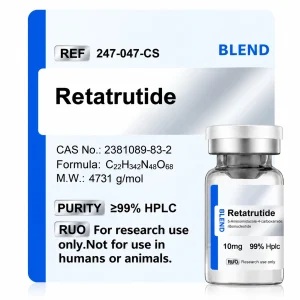
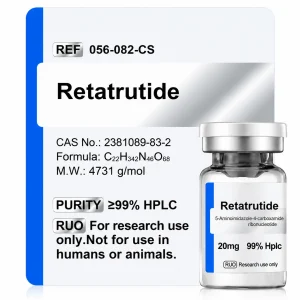
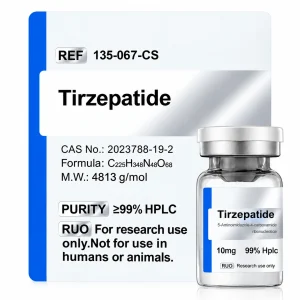
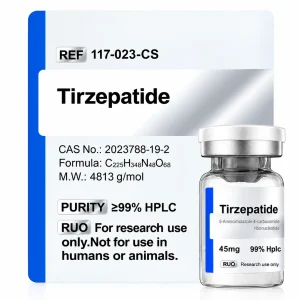
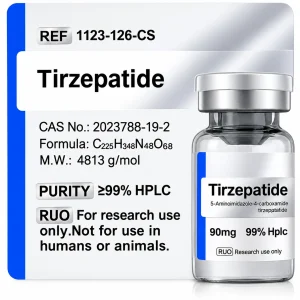
Not every product labeled “tirzepatide” is an approved prescription medicine.
Approved medicines undergo regulatory review for their specified indications, manufacturing quality, and labeling. Products marketed as research materials may not have undergone the same evaluation and should not be assumed to be suitable for human use.
Compounded medicines are also distinct from FDA-approved products. The FDA states that compounded drugs are not FDA-approved and are not reviewed by the agency for safety, effectiveness, and quality before marketing. It advises patients to obtain prescription medicines through legitimate healthcare and pharmacy channels.
A supplier’s claims about purity or laboratory testing do not, by themselves, establish that a product is an approved medicine or that it is safe to inject.
For website owners, this distinction should be reflected in product descriptions, disclaimers, and advertising. Avoid claims that an unapproved product is identical to Mounjaro or Zepbound, or that it provides the same clinical benefits.
Product Quality and Documentation
For approved prescription medicines, patients should obtain products through authorized pharmacies and follow the storage and handling instructions on the official packaging.
For laboratory materials, documentation may help researchers understand the identity and analytical characteristics of a sample. Relevant documentation can include:
- Product identity and lot number
- Analytical test results
- Testing method and date
- Laboratory identification
- Storage and handling information
- Appropriate research-use labeling
A certificate of analysis (COA) can provide useful information about a particular sample, but it does not establish regulatory approval, clinical effectiveness, or suitability for human administration.
The FDA has also warned about unapproved GLP-1 products, including fraudulent products, misleading claims, dosing errors, and potential quality issues associated with improper storage.
Consumers should be cautious of sellers that promise prescription-like results without requiring a legitimate prescription where required, make exaggerated medical claims, or fail to identify the source of their products.
Frequently Asked Questions About Tirzepatide
Is tirzepatide a GLP-2 peptide?
No. Tirzepatide is a dual GIP and GLP-1 receptor agonist. GLP-2 is a different hormone, so the terms should not be treated as synonyms.
What is tirzepatide used for?
Depending on the specific approved product and country, tirzepatide may be prescribed for type 2 diabetes, chronic weight management in eligible patients, or other specifically approved indications. Consult the applicable local product label.
Is tirzepatide a prescription medicine?
Yes. Approved tirzepatide medicines are prescription products. People should consult a qualified healthcare professional to determine whether treatment is appropriate.
Does tirzepatide guarantee weight loss?
No. Outcomes vary among individuals. No responsible source can guarantee a particular result for every patient.
Is a research-labeled tirzepatide product the same as an approved medicine?
Not necessarily. Research-labeled materials should not be assumed to meet the regulatory, manufacturing, and clinical standards of an approved pharmaceutical product.
Can tirzepatide cause side effects?
Yes. Gastrointestinal effects are common, and more serious adverse reactions can occur. Patients should review the official prescribing information and discuss their personal risks with a healthcare professional.
What should I check before obtaining tirzepatide?
Confirm that you have a valid prescription when required and use an authorized pharmacy. Review the product’s source, packaging, labeling, and storage instructions with a healthcare professional. Avoid products with misleading claims or unclear provenance.
Conclusion
Tirzepatide is an important prescription medicine in metabolic care because of its dual activity at GIP and GLP-1 receptors. Its approved uses include specific diabetes and weight-management indications, depending on the product and jurisdiction.


Reviews
There are no reviews yet.