

Semaglutide (GLP-1): A Complete Guide to Uses, Benefits, Safety and Treatment
Semaglutide has become one of the most widely discussed medicines in modern metabolic healthcare. As a glucagon-like peptide-1 (GLP-1) receptor agonist, it is used in specific clinical settings involving type 2 diabetes, chronic weight management and, in certain jurisdictions and formulations, additional health conditions. Its growing profile has also led to questions about how it works, who may be eligible for treatment, what side effects can occur and how patients can identify legitimate medication sources.
This guide explains semaglutide in clear, accessible language. Whether you are researching GLP-1 treatment, comparing prescription options or preparing questions for a healthcare professional, understanding the medicine’s approved uses and limitations is an important first step.
Important: Semaglutide is a prescription medicine. It is not suitable for everyone and should only be used under the supervision of an appropriately qualified healthcare professional. Approved indications, product names and prescribing requirements vary by country.
What Is Semaglutide?
Semaglutide is a medicine that belongs to a class known as GLP-1 receptor agonists. It is designed to act on receptors for glucagon-like peptide-1, a naturally occurring hormone involved in regulating blood glucose, appetite and food intake.
The medicine is available in different prescription formulations and under different brand names. In the United States, examples include Ozempic, Wegovy and Rybelsus, although their approved indications and dosage forms are not interchangeable. Other countries have their own product authorisations and prescribing rules.
Semaglutide is not simply a general weight-loss supplement. It is a regulated pharmaceutical medicine that requires an assessment of a person’s health, medical history, treatment goals and potential risks.
How Does Semaglutide Work?
Semaglutide works by activating GLP-1 receptors. These receptors are involved in several processes that influence blood sugar regulation and appetite.
Its effects include:
- Glucose-dependent insulin release: It helps the pancreas release insulin when blood glucose is elevated.
- Reduced glucagon secretion: It can reduce the release of glucagon, a hormone that raises blood glucose.
- Slower gastric emptying: It can slow the movement of food from the stomach, particularly during treatment initiation.
- Appetite regulation: It acts on pathways involved in appetite and food intake, which may help some eligible patients consume fewer calories.
These combined effects explain why semaglutide is used in the management of type 2 diabetes and, in specifically authorised formulations, chronic weight management.
The medicine does not replace healthy eating, physical activity or ongoing medical care. Instead, it may form part of a broader treatment plan when a clinician determines that it is appropriate.
What Is Semaglutide Used For?
The approved uses of semaglutide depend on the specific product, formulation and country. It is important not to assume that every semaglutide brand has the same indications.
1. Type 2 Diabetes Management
Some semaglutide formulations are authorised to improve blood glucose control in adults with type 2 diabetes, alongside diet and exercise. Certain product labels also include additional cardiovascular or kidney-related risk-reduction indications for eligible patients.
A healthcare professional will consider factors such as current glucose control, existing medicines, kidney function, cardiovascular history and other medical conditions before deciding whether semaglutide is suitable.
2. Chronic Weight Management
Specific semaglutide products are authorised in certain countries for long-term weight management in eligible people with obesity or overweight accompanied by weight-related health conditions.
Treatment is intended to be used alongside a reduced-calorie eating plan and increased physical activity. It is not designed as a quick fix or a substitute for sustainable lifestyle changes.
Eligibility criteria differ by jurisdiction and product label. A medical assessment is necessary to determine whether treatment is appropriate.
3. Other Authorised Clinical Uses
Some semaglutide formulations have received additional indications in particular markets. For example, the current US Wegovy prescribing information includes an indication for certain adults with noncirrhotic metabolic dysfunction-associated steatohepatitis (MASH) and moderate-to-advanced liver fibrosis, under accelerated approval.
This does not mean every semaglutide product is approved for MASH or liver disease. Patients should check the relevant local product information and discuss any proposed use with their healthcare professional.
Potential Benefits of Semaglutide
When prescribed to an eligible patient, semaglutide may provide benefits that relate to its effects on glucose regulation, appetite and body weight.
Improved Blood Glucose Control
For people with type 2 diabetes, authorised semaglutide formulations can help improve glycaemic control when used as part of an appropriate treatment plan.
Support for Long-Term Weight Management
For eligible patients using a formulation approved for weight management, semaglutide may help reduce excess body weight and support longer-term weight management when combined with nutritional and physical-activity changes.
Individual results vary. Outcomes depend on factors such as the patient’s health, treatment adherence, lifestyle, tolerability and clinical response.
Cardiovascular Risk Reduction in Specific Patients
Certain semaglutide product labels include cardiovascular risk-reduction indications for defined patient groups. These benefits should not be generalised to every person taking semaglutide or to every formulation.
A clinician can explain whether a particular indication applies to an individual’s medical circumstances.
Semaglutide Brands and Formulations
Semaglutide is marketed in different formulations. Understanding the differences is important because products may have different approved uses, strengths, administration requirements and prescribing instructions.
| Brand | General formulation | Broad clinical context |
|---|---|---|
| Ozempic | Injectable semaglutide | Type 2 diabetes and certain additional risk-reduction indications, depending on local authorisation |
| Wegovy | Injectable and, in some markets, oral formulations | Chronic weight management and other specifically authorised indications |
| Rybelsus | Oral semaglutide tablets | Type 2 diabetes in authorised patient groups |
This table is a general overview, not a prescribing guide. Product availability and authorised indications vary between countries. Do not switch between brands or formulations without medical advice.
Who May Be Eligible for Semaglutide?
Eligibility depends on the intended treatment, the product’s authorised indication and the patient’s overall health.
A healthcare professional may assess:
- Medical history and current diagnoses
- Body mass index and weight-related health conditions, where relevant
- Blood glucose measurements and diabetes treatment history
- Cardiovascular and kidney health
- Current prescription and non-prescription medicines
- Previous reactions to semaglutide or related medicines
- Pregnancy plans and other relevant reproductive considerations
- Personal or family history relevant to the medicine’s warnings
Semaglutide is not appropriate for everyone. A clinician should explain the expected benefits, possible risks and available alternatives before treatment begins.
Possible Side Effects and Safety Considerations
Like all prescription medicines, semaglutide can cause side effects. The most commonly reported effects include gastrointestinal symptoms such as:
- Nausea
- Vomiting
- Diarrhoea
- Constipation
- Abdominal discomfort or pain
- Reduced appetite
These effects may be more noticeable when treatment begins or when a prescribed dose is increased. Persistent or severe symptoms should be discussed with a healthcare professional.
More serious safety considerations can include pancreatitis, gallbladder disease, dehydration-related kidney problems, serious allergic reactions and complications associated with low blood glucose when semaglutide is used with certain other diabetes medicines.
Semaglutide product information also includes a warning concerning thyroid C-cell tumours observed in rodents. The relevance of this finding to humans is not established. Certain products are contraindicated in people with a personal or family history of medullary thyroid carcinoma or multiple endocrine neoplasia syndrome type 2 (MEN2). The precise warning and contraindications should be checked in the local product information.
Seek urgent medical assessment for symptoms that may indicate a serious reaction, including severe or persistent abdominal pain, signs of a serious allergic reaction or persistent vomiting that may lead to dehydration.
Why Medical Supervision Matters
Semaglutide treatment involves more than obtaining a prescription. Safe use requires appropriate patient selection, review of other medicines, monitoring and follow-up.
A qualified healthcare professional can:
- Assess whether the patient meets the relevant treatment criteria.
- Review medical history and potential contraindications.
- Explain the correct product and formulation.
- Provide instructions consistent with the authorised product information.
- Monitor treatment response and possible adverse effects.
- Review whether treatment should continue or be changed.
Patients should not independently alter their treatment schedule, increase a dose, combine semaglutide with another GLP-1 medicine or use someone else’s prescription.
Approved Semaglutide vs Compounded or Unverified Products
The source and regulatory status of semaglutide matter. An approved medicine has undergone the relevant regulatory review for its authorised quality, safety and effectiveness. Products sold online without appropriate authorisation may not offer the same assurance.
Compounded medicines are not the same as regulator-approved finished products. In the United States, the FDA has warned about dosing errors involving compounded injectable semaglutide, including cases associated with hospitalisation. Differences in concentration, syringe measurements and instructions can create serious risks. The FDA also states that compounded drugs are not reviewed in the same way as approved medicines before marketing.
The FDA’s 2026 guidance also explains restrictions on compounding products that are essentially copies of commercially available medicines and notes that semaglutide is not currently on the relevant FDA drug-shortage list or 503B bulks list. These are US-specific regulatory provisions; other countries have their own rules.
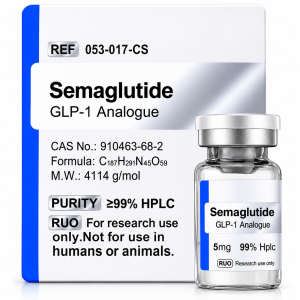
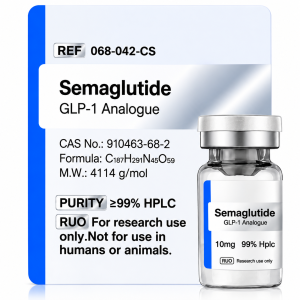
Consumers should be cautious of websites offering semaglutide without a prescription, selling products labelled for research use as medicines, or making guaranteed weight-loss claims. A product described as “research grade” is not an approved substitute for prescription treatment.
How to Approach Semaglutide Treatment Responsibly
If you are considering semaglutide, start with a qualified healthcare professional rather than an online product listing.
Before an appointment, consider preparing:
- Your current medical conditions and relevant medical history
- A list of medicines and supplements you use
- Any previous experience with diabetes or weight-management treatment
- Questions about potential benefits and side effects
- Information about pregnancy plans, where relevant
- Your treatment goals and any concerns about long-term care
Ask which semaglutide formulation, if any, is authorised and appropriate for your circumstances. Confirm how follow-up appointments and monitoring will be arranged.
Frequently Asked Questions About Semaglutide (GLP-1)
What does GLP-1 mean?
GLP-1 stands for glucagon-like peptide-1. It is a naturally occurring hormone involved in blood glucose regulation, insulin release and appetite signalling. Semaglutide activates the GLP-1 receptor.
Is semaglutide used for weight loss?
Certain semaglutide products are authorised for chronic weight management in eligible patients in some countries. Treatment is used alongside dietary changes and physical activity, and requires medical assessment.
Is Ozempic the same as Wegovy?
Both contain semaglutide, but they are distinct prescription products with different authorised indications, product information and prescribing requirements. They should not be treated as automatically interchangeable.
Is semaglutide available as a tablet?
Yes. Oral semaglutide products are authorised in some markets. Their approved uses and administration instructions differ from injectable formulations. Follow the specific product information and professional advice.
Can anyone use semaglutide?
No. A person’s medical history, current medicines, treatment goals and relevant contraindications must be assessed by a qualified healthcare professional.
Does semaglutide have side effects?
Yes. Gastrointestinal symptoms such as nausea, vomiting, diarrhoea and constipation are commonly reported. More serious adverse effects are possible, so patients should review the official medicine information and seek medical advice when symptoms are concerning.
Can I buy semaglutide online?
Online access depends on local law and the prescribing system in your country. Where permitted, obtain prescription medicines only through appropriately authorised healthcare professionals and regulated pharmacies. Avoid sellers that offer prescription medicines without required clinical assessment or regulatory safeguards.
Is compounded semaglutide identical to an approved product?
Not necessarily. Compounded preparations may differ in formulation, concentration and quality oversight. They are not equivalent to regulator-approved finished medicines and may carry additional risks.
Choosing a Responsible Semaglutide Information and Care Provider
Reliable information is essential when researching a prescription medicine. A trustworthy healthcare provider should explain the medicine’s authorised uses, eligibility criteria, possible side effects and monitoring requirements without promising guaranteed results.
Before proceeding, check that the provider:
- Uses appropriately qualified healthcare professionals.
- Follows the prescribing and dispensing laws applicable in your country.
- Provides clear information about the exact medicine and formulation.
- Explains risks, contraindications and follow-up arrangements.
- Uses legitimate, traceable pharmaceutical supply channels.
- Does not market research chemicals as approved medicines.
- Does not make unrealistic claims or pressure patients into treatment.
A responsible service should make informed decision-making its priority. Patients should be able to ask questions, understand their options and decline treatment if it is not appropriate.
Conclusion: Make an Informed Decision About Semaglutide
Semaglutide (GLP-1) is an important prescription medicine with established roles in specific areas of diabetes care and chronic weight management, as well as additional authorised uses for certain formulations in some markets. Its effects on glucose regulation and appetite have made it a significant development in metabolic healthcare.
However, semaglutide is not suitable for everyone, and different brands and formulations have different approved uses. Potential side effects, contraindications, product quality and ongoing medical supervision must all be considered.


Reviews
There are no reviews yet.